

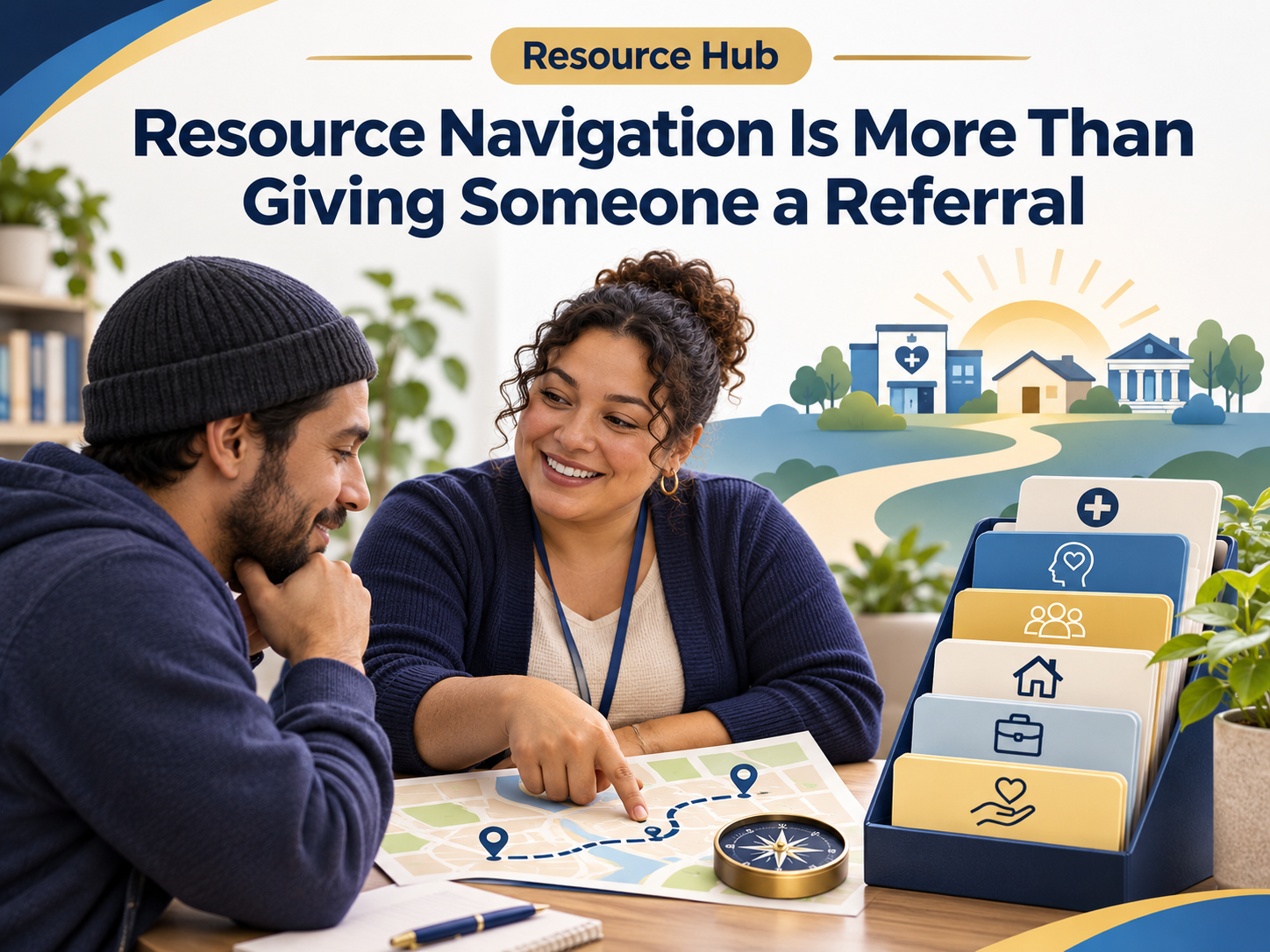
Resource Navigation Is More Than Giving Someone a Referral
One of the peer professional skills I would like us to talk about much more is resource navigation.
Sometimes resource support gets reduced to:
“Here is a phone number.”
There are certainly times when that is exactly what someone needs.
But meaningful resource navigation can involve much more.
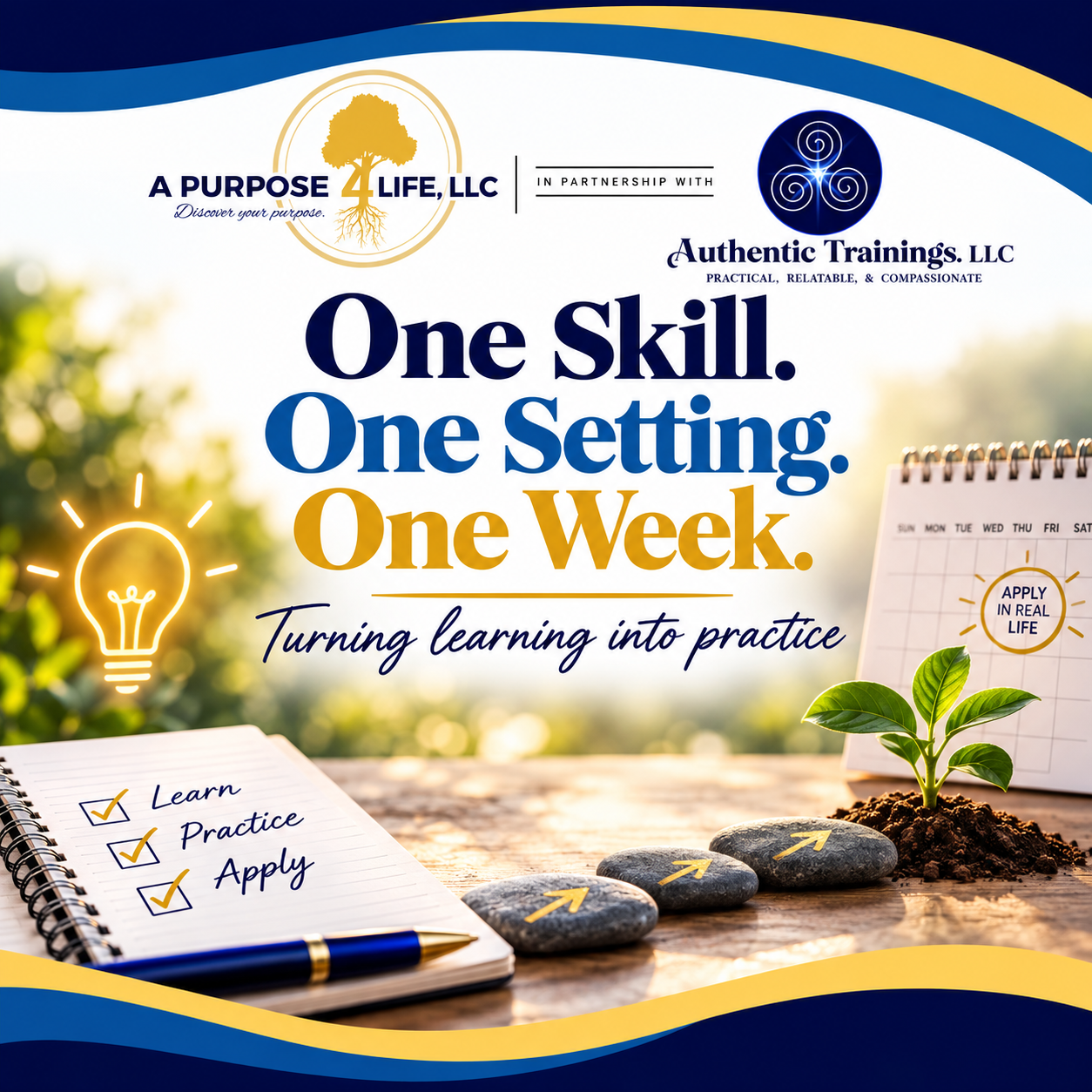
A Certificate Is Not a Practice Plan
I believe strongly in professional training.
I also believe there is an important question we need to ask after every training:
What happens Monday morning?
We can attend an excellent workshop.
Understand the concepts.
Complete the evaluation.
Receive the certificate.
And return to work using almost exactly the same habits we used before.
That does not necessarily mean the training failed.
There is another step between learning something and consistently using it.
Practice.
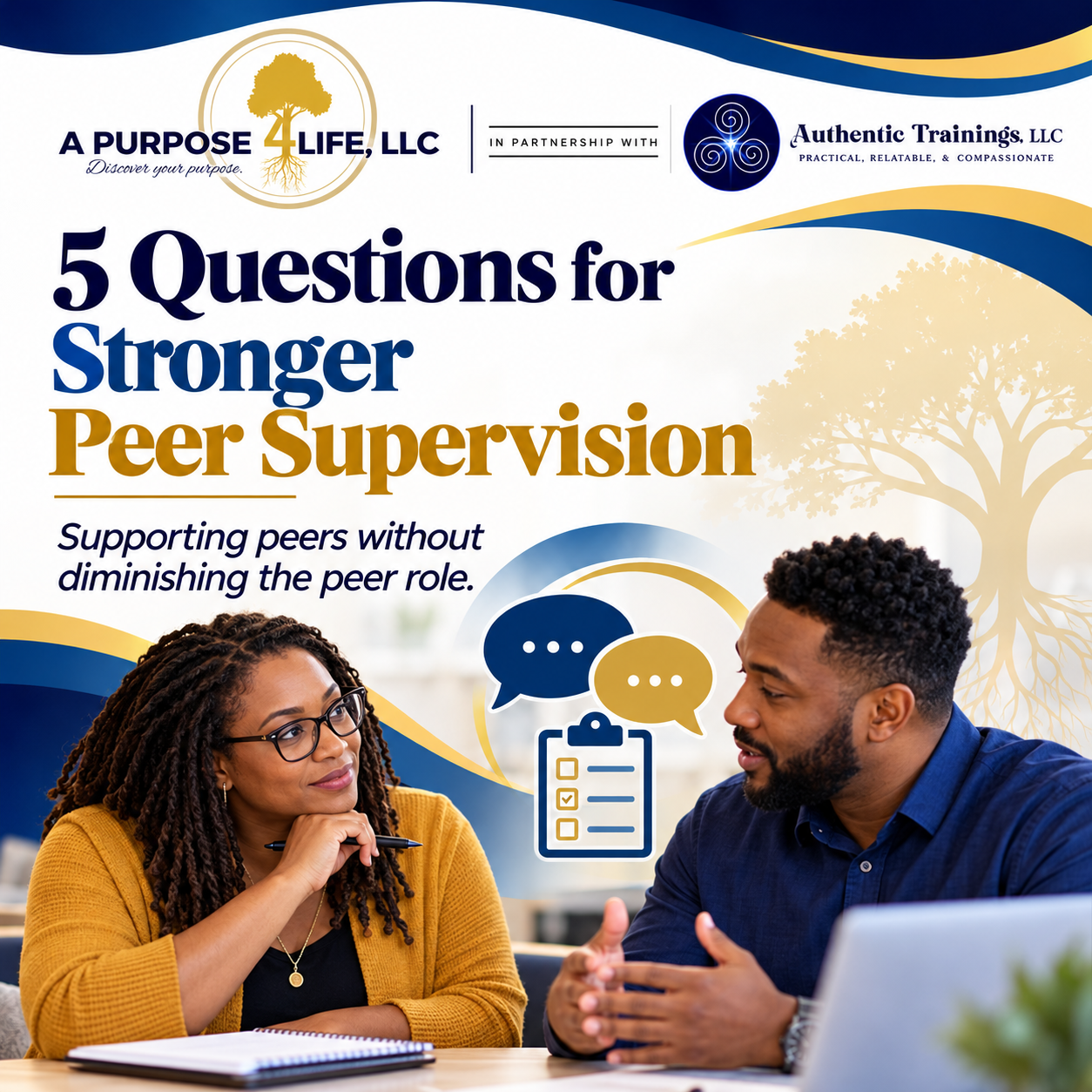
Good Peer Supervision Protects the Peer Role
We spend a great deal of time discussing whether a peer professional has received the right training, understands ethics, maintains boundaries, and knows their role.
Those things matter.
But I think we also need to ask:
Does the person supervising the peer understand the peer role well enough to help protect it?

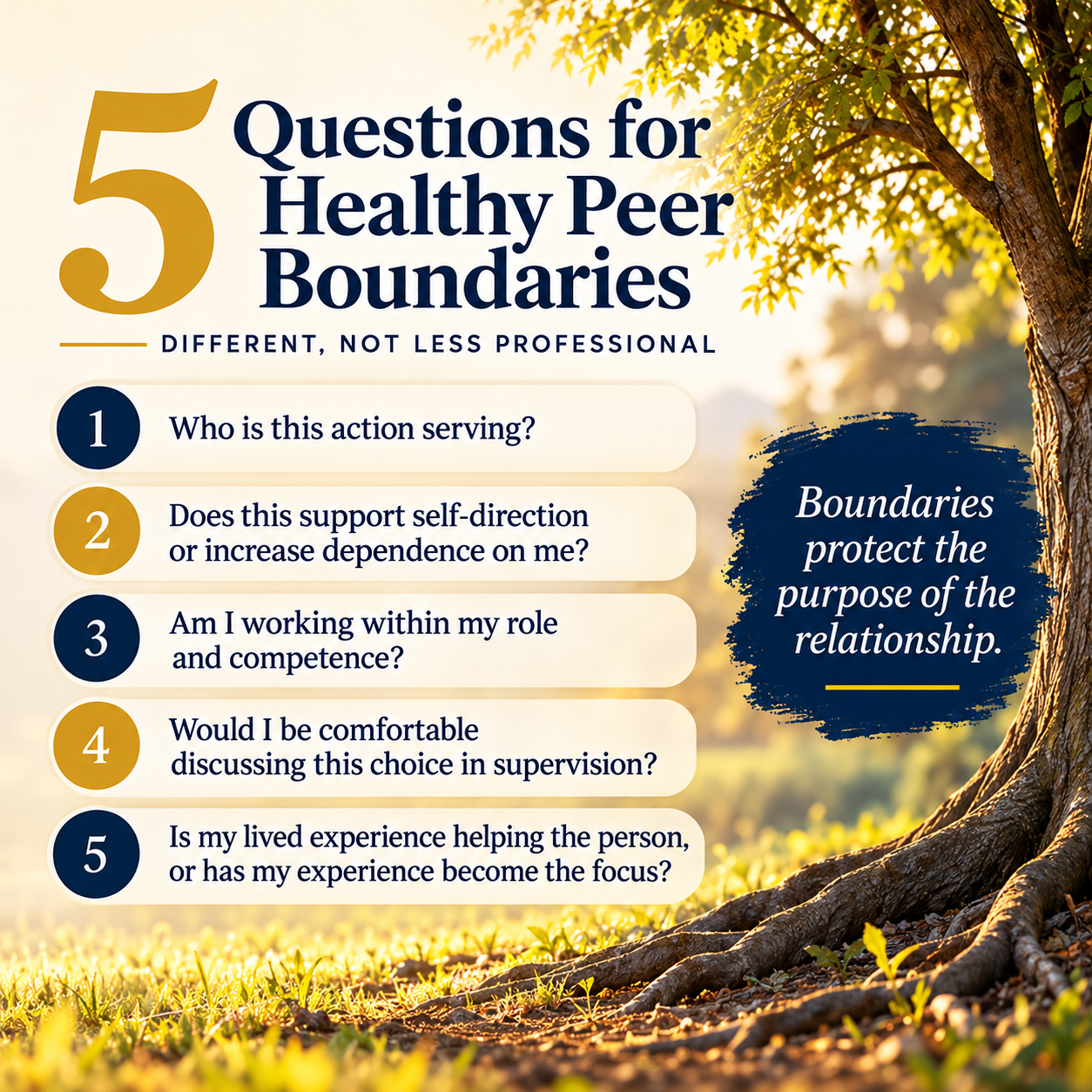
Peer Boundaries Are Different, Not Less Professional
One of the conversations I think we need to continue having in peer services is around boundaries.
Sometimes professional boundaries are discussed as though there is one model that should apply equally to every helping profession.
I am not sure that is always helpful.
Practical Tools You Can Actually Use: Workbooks, Worksheets, Skills Practice, and Videos
When I am looking for resources for myself, a learner, a peer professional, or someone I am supporting, I tend to value resources that move beyond explanation and give us an opportunity to practice something.
From Information to Wisdom: Why Reflection Is Part of Learning
Completing a training can give us information.
Understanding the material can give us knowledge.
But neither automatically means we will use it differently on Monday morning.
That is where practice and reflection become important.

Professionalizing the Peer Role Without Losing What Makes It Peer
I believe strongly in professional development for peers. Good training matters. Ethics matter. Supervision matters. Boundaries, continuing education, role clarity, and opportunities for advancement matter.

Hiring a Peer Is Not the Same as Integrating a Peer
Hiring someone with lived experience does not automatically create a peer-informed program. Successful peer integration requires role clarity, organizational preparation, meaningful inclusion, appropriate supervision, and a culture that understands what makes peer support distinct.

Ethics and Boundaries for Recovery Professionals
Healthy boundaries help Recovery Professionals build authentic relationships while protecting the integrity, safety, and purpose of the peer-support relationship.

Understanding Recovery Capital
Recovery capital refers to the personal, social, community, and practical resources a person can draw upon to initiate and sustain recovery.

What Is a Recovery Professional?
Recovery Professionals use lived experience, relationship, and person-centered support to help others explore and strengthen their own pathways of recovery.